What are the best hotels for wellness and spa retreats? This question sparks curiosity and invites wanderlust, as travelers seek sanctuaries that promise rejuvenation and relaxation. A growing trend in tourism, wellness retreats offer more than just a chance to escape; they provide a holistic experience that nurtures mind, body, and soul.
From the serene mountains to tranquil beaches, the ideal wellness hotels boast top-rated amenities tailored to enhance well-being. Each property features unique wellness programs that cater to diverse needs, while the choice of location plays a crucial role in creating the perfect retreat environment. Discovering these hidden gems will lead you to a world of relaxation and self-care.






Best Hotels for Wellness Retreats
In today’s fast-paced world, finding a sanctuary for relaxation and rejuvenation is essential. Wellness retreats provide an escape from everyday stresses, allowing individuals to focus on their health and well-being. The allure of these retreats lies not only in their tranquil environments but also in the comprehensive wellness programs they offer. Selecting the right hotel for a wellness retreat can enhance the experience significantly, with various options available that cater to specific health and wellness goals.The location is a key factor in choosing a wellness retreat.
When traveling solo, safety becomes a top priority, and choosing the right accommodation can make all the difference. It’s essential to know what are the safest hotels for solo travelers that not only offer secure environments but also cater to the unique needs of individuals exploring new destinations.
Natural surroundings, such as mountains, beaches, or forests, contribute to the overall experience, offering both serenity and beauty. The following hotels stand out as premier destinations for wellness retreats, each offering unique programs designed to promote relaxation, rejuvenation, and holistic well-being.
Top-Rated Hotels with Wellness Amenities
The following hotels are celebrated for their exceptional wellness offerings, ranging from spa treatments to holistic health programs. Each hotel provides a unique atmosphere and a variety of services that cater to different wellness needs.
Finding a place to stay that fits your budget can be a challenge, especially in bustling city centers. However, with a little research, you can discover how to find affordable hotels in city centers that provide both comfort and convenience without breaking the bank.
- The BodyHoliday, St. Lucia: This all-inclusive resort specializes in wellness, offering personalized programs that include fitness classes, spa treatments, and healthy dining options. Guests can engage in activities like yoga, pilates, and water sports, all designed to rejuvenate the body and mind.
- Six Senses Douro Valley, Portugal: Nestled in the beautiful Douro Valley, this hotel features a holistic spa that emphasizes natural healing therapies. Their wellness programs focus on organic health treatments, including herbal medicine and nutritional counseling, all while surrounded by stunning vineyard views.
- Kamalaya, Koh Samui, Thailand: An award-winning wellness sanctuary, Kamalaya offers a range of healing programs that integrate traditional Thai practices with modern wellness techniques. Their retreats focus on stress relief, detoxification, and fitness, allowing guests to embark on a transformative journey.
- SHA Wellness Clinic, Spain: This luxury wellness hotel combines Eastern and Western therapies, providing a comprehensive approach to health. Their programs include medical consultations, detox retreats, and personalized fitness regimes, all set in a tranquil Mediterranean environment.
- Miraval Arizona Resort & Spa, USA: Known for its focus on mindful living, Miraval offers a full range of wellness activities, including guided meditation and equine therapy. The resort encourages a holistic approach to well-being, combining fitness, outdoor adventures, and spa treatments.
The significance of these hotels extends beyond their luxurious amenities; they serve as havens where guests can immerse themselves in wellness practices that promote long-term health benefits. The combination of skilled staff, tailored programs, and serene environments creates a unique experience that fosters healing and rejuvenation. With thoughtful consideration of location and the wellness offerings, guests can select the perfect retreat to enrich their mind, body, and spirit.
Famous Spa Treatments Around the World
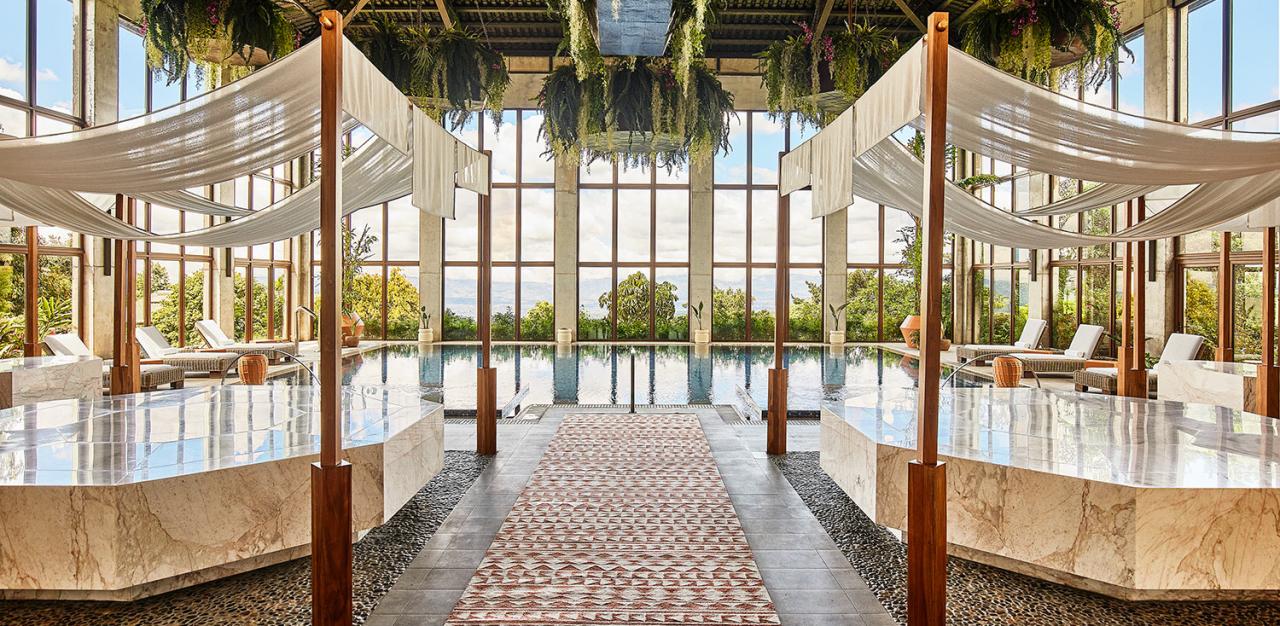
The world of wellness and spa retreats is as diverse as the cultures that inspire them. Renowned hotels across the globe offer a variety of spa treatments that reflect local traditions and practices, each with unique benefits and healing properties. These treatments not only provide relaxation and rejuvenation but also serve as a bridge to understanding the cultural significance behind them.
Wellness treatments often originate from ancient practices that prioritize holistic healing, using natural ingredients and techniques passed down through generations. As global travel allows for cultural exchanges, many of these treatments have been adapted and refined, blending traditional methods with contemporary wellness trends. Below, we delve into some of the most famous spa treatments from around the world and explore their roots, variations, and benefits.
Signature Spa Treatments
Several spa treatments have gained international fame, each representing its cultural heritage and offering unique experiences. Here are some noteworthy treatment options:
- Ayurvedic Treatments (India): Rooted in the ancient system of medicine from India, Ayurvedic treatments often involve personalized therapies based on one’s dosha (body constitution). Techniques like Abhyanga (oil massage) and Shirodhara (pouring warm oil on the forehead) promote balance and detoxification.
- Thai Massage (Thailand): This traditional practice combines acupressure, yoga-like stretching, and deep tissue manipulation. Thai massage is believed to improve energy flow and flexibility, often performed on a mat rather than a massage table.
- Balinese Massage (Indonesia): A blend of gentle stretches, acupressure, and aromatherapy, Balinese massage aims to enhance blood circulation and relieve stress. The use of essential oils derived from local flora intensifies the experience.
- Dead Sea Mud Treatment (Israel): Known for its therapeutic properties, the mineral-rich mud from the Dead Sea is used in various treatments to rejuvenate the skin and relieve muscle pain. This treatment is often complemented by soaking in the Dead Sea itself, which is rich in minerals.
- Hammam Rituals (Turkey and Middle East): Traditionally performed in a steam bath, Hammam rituals involve exfoliation, cleansing, and relaxation. The use of natural soaps and oils enhances the detoxifying process, promoting both physical and mental wellness.
Each of these treatments carries its own set of benefits, deeply rooted in the culture from which it originates. The underlying philosophy of these therapies is to enhance not only physical health but also emotional and spiritual well-being.
Cultural Variations of Spa Treatments, What are the best hotels for wellness and spa retreats
Many spa treatments share similarities across cultures, yet their execution and significance can vary dramatically. Understanding these nuances adds depth to the spa experience and highlights the diversity of wellness practices. For example, the concept of using herbal infusions in treatments is widespread. In Europe, herbal baths often utilize local plants, focusing on detoxification and relaxation. In contrast, Japanese onsen baths emphasize the natural mineral properties of hot springs, believed to have healing benefits for the body and mind.Another example is the body wrap treatments, which are prevalent in many cultures.
In Europe, wraps might use clay and seaweed to detoxify, while in South America, they may incorporate indigenous plants known for their healing properties, reflecting local biodiversity and traditions.
“Spa treatments are not just about relaxation; they are deeply connected to the cultural practices that shape our understanding of wellness.”
The blending of these practices illustrates how globalization has expanded the concept of wellness, offering guests a chance to experience authentic treatments while also enjoying the modern comforts of luxury hotels.
Essential Features of a Wellness Hotel: What Are The Best Hotels For Wellness And Spa Retreats
When selecting a wellness hotel, it is crucial to identify specific features that cater to both mental and physical well-being. The ideal wellness retreat combines luxurious amenities with health-focused services designed to rejuvenate the body and mind. Understanding these essential features can significantly enhance the overall experience of guests seeking relaxation and healing.Key amenities are foundational to wellness centers, ensuring guests have access to resources that enhance their retreat experience.
A well-designed wellness hotel should encompass a range of offerings that promote relaxation, fitness, and nourishment. The presence of high-quality wellness features can distinguish a standard hotel from a truly revitalizing retreat.
Must-Have Amenities for Wellness Hotels
Wellness hotels should be equipped with features that support various aspects of health and relaxation. Here are some essential amenities to consider:
- Spacious and Serene Accommodations: Rooms should have calming décor, ample natural light, and comfortable bedding to facilitate restful sleep.
- Comprehensive Spa Facilities: A variety of treatment rooms for massages, facials, and holistic therapies, complemented by a sauna, steam room, and hot tubs.
- Fitness Center: A fully equipped gym with a range of cardio and strength-training equipment, along with fitness classes such as yoga, Pilates, or martial arts.
- Outdoor Spaces: Access to nature through gardens, walking trails, or beach areas that allow guests to enjoy fresh air and natural beauty during their stay.
- Personalized Wellness Programs: Tailored experiences including wellness consultations, fitness assessments, and customized treatment plans to meet individual needs.
- Mindfulness and Meditation Areas: Quiet spaces that encourage meditation, yoga, or relaxation practices, promoting mental well-being.
When choosing a wellness retreat, guests should consider this checklist to ensure that the hotel meets their specific wellness needs:
- What types of spa treatments are offered, and are they tailored to individual preferences?
- Does the hotel provide wellness coaching or support through personal trainers or nutritionists?
- What are the dining options, and are there healthy, organic choices available?
- Is there a focus on sustainability and eco-friendly practices within the hotel?
- What are the guest reviews regarding the effectiveness of the wellness programs?
Importance of Nutrition and Healthy Dining Options
Nutrition plays a pivotal role in any wellness retreat experience, with healthy dining options significantly impacting guest satisfaction and overall health outcomes. Wellness hotels should prioritize nutritious meal offerings that cater to various dietary preferences, including vegetarian, vegan, and gluten-free options.
“Healthy eating is not just about diet; it’s about nourishing the body and soul for a holistic experience.”
Guests should expect menus that reflect fresh, locally-sourced ingredients prepared with an emphasis on flavor and health benefits. Nutritional education can also enhance the experience, with cooking classes or workshops that allow guests to learn how to prepare wholesome meals. In summary, the right amenities, supportive features, and a focus on nutrition are vital components of a wellness hotel that aims to provide a comprehensive and transformative retreat experience.
Wellness Retreat Trends
As the wellness tourism industry evolves, several trends are emerging that reflect changing consumer preferences and advancements in technology. Wellness retreats are increasingly focused on holistic experiences that combine relaxation, rejuvenation, and personal growth. In this landscape, travelers seek tailored experiences that cater to their unique wellness needs, influenced by a variety of factors including societal shifts and technological innovations.One major trend is the integration of technology into wellness experiences.
Hotels and retreats are utilizing digital platforms and tools to enhance guest experiences, providing a seamless blend of relaxation with the convenience of modern technologies. Smart wellness devices, such as sleep trackers and stress management apps, are becoming commonplace, allowing guests to monitor their health metrics during their stay. Additionally, virtual reality (VR) and augmented reality (AR) are being employed to create immersive experiences that promote relaxation and mindfulness.
Historical Shifts in Wellness Tourism
The evolution of wellness tourism reflects broader societal trends and changing attitudes toward health and well-being. Understanding this timeline helps to appreciate the current state of wellness retreats.
- Ancient Beginnings: The concept of wellness tourism can be traced back to ancient civilizations, where natural hot springs and mineral baths were used for therapeutic purposes.
- 19th Century Spa Culture: The rise of spa towns in Europe, such as Bath in England and Baden-Baden in Germany, popularized the idea of health retreats, focusing on relaxation and recuperation.
- Late 20th Century Wellness Movement: The 1980s and 1990s saw a surge in interest in holistic health, emphasizing mental, emotional, and spiritual well-being alongside physical health.
- 21st Century Digital Integration: With the advent of technology, wellness retreats began incorporating digital health tools, wellness apps, and online booking systems, making wellness more accessible than ever before.
The impact of technology on wellness experiences cannot be overstated. As guests increasingly seek personalized and data-driven approaches to their health, retreats that successfully integrate technology can significantly enhance the overall experience.
“The future of wellness tourism lies in the seamless integration of technology and holistic approaches, offering guests a more tailored and individualized experience.”
In the current landscape, the focus on sustainability and eco-friendly practices is also shaping trends in wellness retreats. Travelers are becoming more environmentally conscious, leading to a demand for retreats that promote sustainable living and wellness practices, such as organic farming and eco-friendly accommodations. These shifts indicate a growing recognition that personal wellness is interconnected with the health of the planet.